What You Need to Know Before Opening Your Own Massage Therapy Practice

You’ve imagined it more than once. A calm, welcoming space. Clients who trust you. A schedule you control. Work that feels meaningful because you see, firsthand, how much better people feel when they leave your table.
For many massage therapists, the idea of starting a massage therapy business grows naturally out of the work itself. After time spent learning techniques, understanding the body, and helping clients feel real relief, the next question often becomes: Could I do this on my own?
Opening a private practice is exciting. It’s also different from simply being a skilled massage therapist. You’re not just providing care anymore — you’re stepping into the role of small business owner, scheduler, marketer, record keeper, and space manager, all at once.
Before you take that step, it helps to understand what practice ownership actually looks like day-to-day, which skills matter most, and how your education prepares you for both the clinical and business sides of the profession.
What It Really Means to Open Your Own Massage Therapy Practice
Owning a massage therapy practice is about more than having your own treatment room. It’s about creating a professional environment where clients feel safe, cared for, and confident returning again and again.
Many massage therapists are self-employed, which allows them to set their own hours, choose their specialties, and shape a practice that fits both their lifestyle and their community. That independence is part of the appeal — but it also comes with responsibility.
In addition to providing therapeutic massage, you may find yourself:
- Writing detailed client notes after each session
- Managing bookings, cancellations, and reminders
- Maintaining intake forms and health histories
- Handling payments and tracking expenses
- Keeping your space, linens, and equipment clean and professional
- Promoting your services in your local area and online
- Staying current with licensing, insurance, and health regulations
The work you do with your hands remains the heart of the job. But the time you spend managing the practice is what keeps the doors open.
The Many Roles You’ll Play as a Practice Owner
When you open your own practice, you wear more hats than you might expect.
You’re the therapist, of course — assessing client needs, adapting techniques, and delivering treatments that support real wellness goals. But you’re also responsible for ensuring the business runs smoothly.
You’ll be responsible for:
- Performing therapeutic massage tailored to each client’s needs
- Maintaining detailed client records for continuity of care and professionalism
- Managing scheduling and bookings to keep your calendar organized
- Handling marketing and outreach to build and maintain a client base
- Managing finances and billing to keep the practice sustainable
- Maintaining your space and equipment so it reflects the level of care you provide
- Ensuring regulatory compliance with licensing and insurance requirements
This combination of clinical care and business management is what makes practice ownership rewarding — and what requires preparation.
Essential Skills Beyond Massage Technique
Your technical skills matter. But they’re only part of what helps a private practice succeed.
Therapists who thrive on their own often develop strengths in areas they may not have expected when they first entered the field.
Some of the most important include:
- Time management and organization so that client care and administrative work both get done
- Communication and professionalism that build trust and long-term client relationships
- Comfort with record-keeping and documentation for consistency and safety
- Basic financial awareness to track expenses, rates, and payments
- Confidence in promoting your services in ways that feel authentic
- A commitment to ongoing learning as techniques and client needs evolve
Strong client communication often becomes one of the biggest factors in whether clients return, refer others, and feel comfortable placing their care in your hands.
You may also find that building professional relationships in your community plays a role in how quickly your practice grows. Simple things like local referrals and connections can make a meaningful difference, which is why many therapists value networking tips for massage therapy students, even after graduation.
Education and Training: Preparing for Both Care and Business
Before you can open a practice, you need the proper education and credentials. Most states require graduation from an approved program and successful completion of a licensing exam.
This is where your training becomes more than technique.
The Clinical Massage Therapy program at the Soma Institute is designed to prepare students for the realities of professional practice. In addition to hands-on training in anatomy, assessment, and therapeutic techniques, students develop the professional habits and practical knowledge needed to work independently.
In a focused 9-month* timeline, students gain the foundation they need to pursue licensure and begin thinking about how they might eventually run their own practice.
Because practice ownership involves both clinical confidence and professional responsibility, education that emphasizes real-world preparation can make the transition feel much more manageable.
Deciding What Kind of Practice You Want to Build
Not every massage therapy practice looks the same. One of the benefits of being self-employed is that you can design a model that fits your goals and your clients’ needs.
You might choose to:
- Open a traditional private practice in a dedicated space
- Offer in-home services as part of a mobile massage therapy business
- Focus on specialized populations such as athletes, prenatal clients, or chronic pain clients
- Partner with other health professionals in a shared wellness space
- Eventually grow into a multi-therapist practice
No matter which path you choose, the goal is the same: creating a professional environment where clients feel comfortable returning regularly.
The Importance of Ethics, Professionalism, and Boundaries
As a practice owner, professionalism carries even more weight. You are fully responsible for the environment you create and the experience you deliver to clients.
Maintaining clear expectations, appropriate boundaries, and consistent standards is essential to building trust. Many therapists find it helpful to revisit ethics in massage therapy as they transition to independent practice, where they are solely responsible for policies, client interactions, and professional conduct.
This attention to professionalism is part of what turns first-time clients into long-term ones.
Preventing Burnout Before It Starts
Owning a practice can be incredibly rewarding, but it can also be physically and mentally demanding. Scheduling wisely, setting boundaries around your availability, and pacing your workload all play a role in your long-term success.
Understanding how massage therapy can help prevent burnout isn’t just helpful for clients — it’s important for you as a practitioner, too.
Building a schedule that supports your well-being helps ensure you can continue doing this work for years to come.
Continuing to Grow After You Open
Your education doesn’t stop once you graduate or once your practice opens. Techniques evolve. Client needs change. New approaches to care continue to emerge.
Many practice owners prioritize continuing education for massage therapists to stay current and confident in their work. Ongoing learning also gives you new tools to offer clients and keeps your work interesting and engaging.
This mindset of continuous growth often starts during your training in the Clinical Massage Therapy program and continues throughout your career.
What to Consider Before You Open Your Doors
Before launching your practice, take time to think through:
- Where you will practice and how the space will feel to clients
- How many clients you can realistically see in a day or week
- How you will manage scheduling, payments, and record-keeping
- What supplies and equipment you will need to maintain
- How you will introduce your services to your local community
- What policies you will set around cancellations, late arrivals, and communication
Thinking through these details early helps you feel more confident when you’re ready to begin.
Turning the Idea Into a Reality
Opening your own massage therapy practice is a natural next step for many therapists who want greater independence and the ability to shape their work environment.
With the right preparation, realistic expectations, and a strong educational foundation, the goal becomes achievable rather than overwhelming.
For students who are already thinking about where this path might lead, the training you receive in the Clinical Massage Therapy program at the Soma Institute is designed to prepare you not just to perform massage, but to step into the professional role that practice ownership requires.
Understanding what it takes before you begin helps ensure that when you do open your doors, you’re ready for both the care and the responsibility that come with it.
*Program length when completed in normal program time
160 Strong: How The Soma Institute Supported the Chicago Marathon
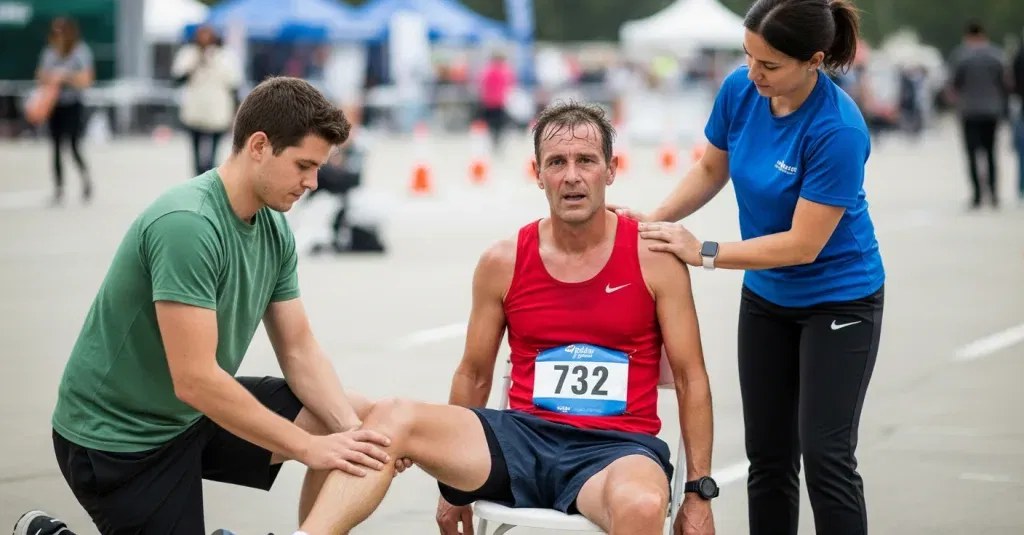
If you were in downtown Chicago on October 12, you probably felt the energy in the air — the rush of runners, the cheers and high-fives, and volunteers working hard to keep everything moving. Among them was a dedicated team from The Soma Institute. As the only massage therapy school volunteering at the Chicago Marathon, they showed up in force with 160 students, faculty, and graduates lending their skills to support thousands of athletes at one of the world’s most celebrated races.
A Unique Role in a World-Class Event
The Bank of America Chicago Marathon isn’t just another race — it’s a global event that attracts tens of thousands of runners from all over the world. Behind the scenes, it takes an army of volunteers and medical professionals to make sure participants are cared for before, during, and after the 26.2-mile journey.
That’s where Soma comes in. Over the years, the school has built a one-of-a-kind partnership with the marathon, making them the only massage therapy school providing sports massage to runners.¹ This is no casual commitment — it’s an integrated role in the official medical team, right alongside doctors, nurses, athletic trainers, podiatrists, and physical therapists.
Soma’s Program Director, Michael Hovi, served as the Medical Massage Therapy Coordinator for the event, ensuring that all 160 Soma volunteers were organized, prepared, and ready to deliver care when runners needed it most.
How Clinical Massage Therapy Connects to the Health and Wellness Career Space
By Joan Hannant, Founder & CEO of The Soma Institute

- Clinical massage therapy is a growing field within the $6.3 trillion health and wellness industry, focusing on therapeutic care for pain relief, stress reduction, and recovery.
- This practice supports holistic and preventive health, aligning well with broader wellness trends.
- Career options for clinical massage therapists span healthcare facilities, wellness centers, corporate wellness, and private practice.
- Expanding areas like wellness tourism, mobile services, and niche specializations offer new career paths for therapists.
- The Soma Institute’s program equips students with the skills needed to succeed in the wellness-driven economy.
The health and wellness industry has grown dramatically in recent years, reflecting a global shift toward preventive care, holistic well-being, and proactive health management. According to the Global Wellness Institute, the wellness economy reached $6.3 trillion in 2021 and is projected to hit $9 trillion by 2028. As wellness becomes an increasingly central priority worldwide, careers in fields like clinical massage therapy are evolving and expanding, with new opportunities emerging to support clients’ physical and mental health needs.
From Classroom to Sidelines: The Journey of a Trained Sports Massage Therapist
By Joan Hannant, Founder & CEO of The Soma Institute
- Sports massage therapists enhance athletic performance and speed recovery through targeted techniques and specialized training.
- Comprehensive sports massage therapy education provides essential skills in flexibility, injury prevention, and muscle recovery.
- The Soma Institute’s program combines hands-on experience and sports event participation, preparing graduates who are interested in sports-specific careers.
- Certification from a nationally accredited school helps sports massage therapists stand out and increases their demand in the industry.
- Certified sports massage therapists can pursue careers in diverse settings, including sports teams, clinics, and freelance roles.
Demand for sports massage therapists is rising as professional and amateur athletes rely on specialized techniques to optimize performance and support recovery. Sports massage targets the physical demands specific to athletes, helping them prevent injuries, improve flexibility, and recover faster. This specialized skill set makes sports massage therapy a critical component of many athletes’ routines, helping them stay at their best from the training ground to the competition arena.
Training to be a certified sports massage therapist takes a student’s interest in wellness and fitness and transforms it into an empowering career. Comprehensive training combines anatomy, biomechanics, and advanced therapeutic techniques tailored to the demands of athletic performance. This journey—from classroom learning to real-world experience—equips graduates to make an immediate and lasting impact on athletes’ health, well-being, and peak performance.
Networking Tips for Massage Therapy Students
By Joan Hannant, Founder & CEO of The Soma Institute
- Networking with classmates and instructors helps massage therapy students build early professional connections.
- Shadowing local therapists provides hands-on learning and valuable industry contacts.
- Joining professional organizations offers access to exclusive networking events and job boards.
- Using LinkedIn and other online platforms helps students connect with industry professionals and stay informed on trends.
For massage therapy students, networking is an essential skill that can set the foundation for a successful career. Building connections early on can help students discover job leads, gain industry insights, and find mentors who can guide them as they transition from school to professional practice. Here are some practical networking tips to help massage therapy students build a robust professional community.