Where Do Clinical Massage Therapists Work?
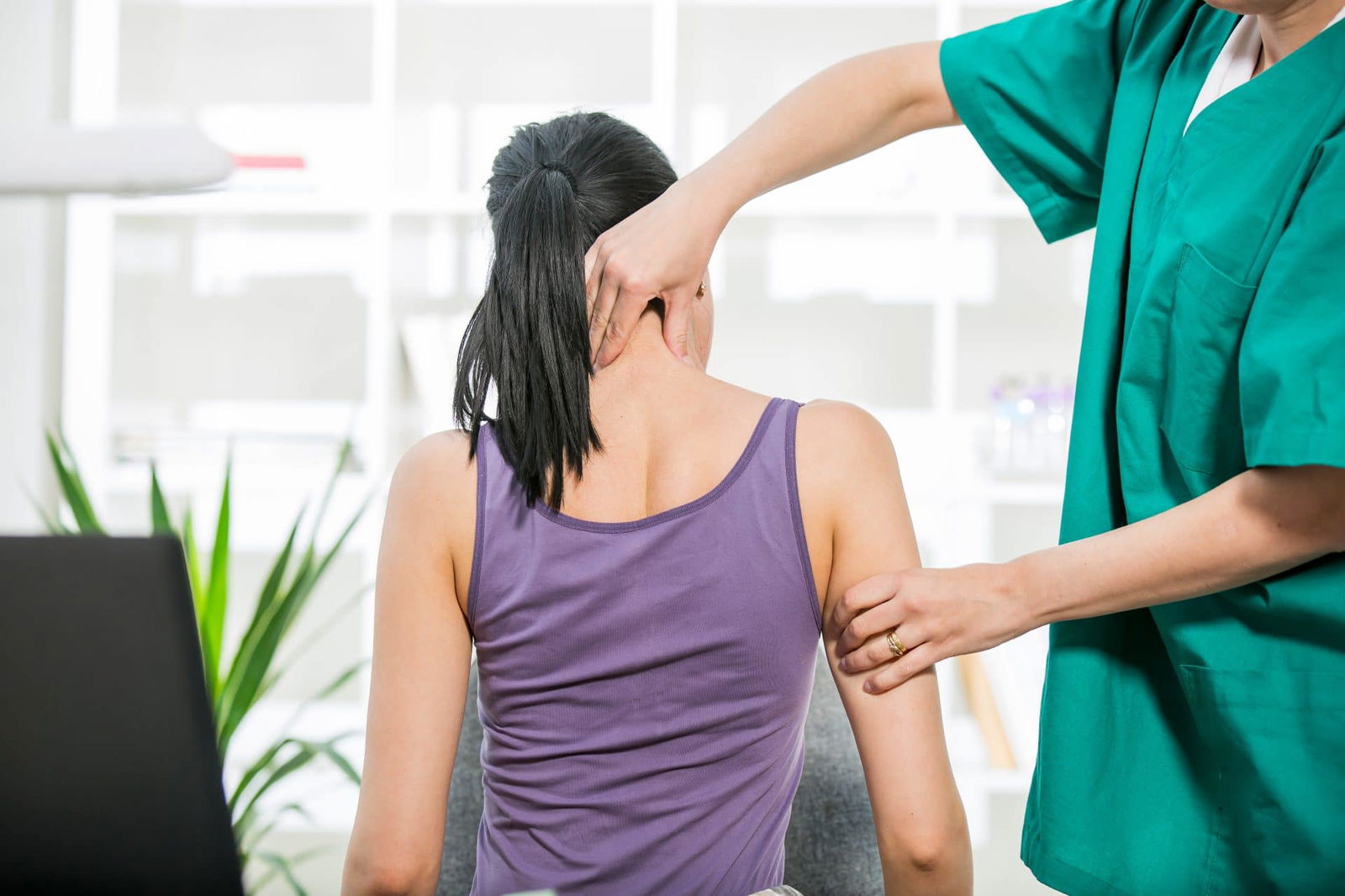
When you hear the term “clinical massage therapist,” you might very well think, “Oh, they’re a certified masseuse.” Not so fast!, Clinical massage therapists do much more than simply give massages to paying customers.
Clinical massage therapists are trained professionals who employ techniques that help heal muscles and the body as a whole. They possess a working knowledge of muscles and therapy that lesser-qualified people who are practicing massage do not. They typically require education beyond a high school diploma in the form of a training program that prepares them for certification, which is required in most states.
Choosing to pursue a career as a clinical massage therapist can open the doors to working in a number of unique employment settings.
4 Myths About Pain, Pain Receptors and Pain Relief

If you’ve been alive for any amount of time (and if you’re reading this, you have been), you’ve felt physical pain at some point in your life. The sensations we know as pain are the results of nerves sending signals to our brains in response to various painful stimuli. Pain perception, which is also referred to as nociception, utilizes neural pathways specifically designed for pain (nociceptors) that spring into action as a reaction to the pain-inducing stimulus.
Kinesiology Tape: What It Is, How It Works and Why Use Is Growing
You may have noticed college and professional athletes wearing tape, often bright in color, on their arms, legs and other extremities. That’s no ordinary medical tape they’re wearing. It is kinesiology tape, also referred to as kinesio tape, and it’s a light, elastic tape used for pain relief and other health benefits proponents believe it to have.
To understand how kinesiology tape works, it’s important to have a basic grasp of what kinesiology is. In its simplest terms, kinesiology is the study of how our bodies move. Kinesiology is used to identify points of weakness within muscles brought on by a variety of factors. It also employs healing techniques that work in tandem with the body’s natural healing processes.
Massage Makes Me Happy Day

Mark your calendar– March 20, 2018 is Massage Makes Me Happy Day! The MASSAGE MAKES ME HAPPY Initiative of the Global Wellness Institute aims to celebrate the healing powers of massage therapy and promote its benefits through research and education, advocacy and global awareness.
At The Soma Institute, we know that massage makes us and our students happy. We want to spread the word that massage has many therapeutic benefits that can allow people to live happier lives. Help support this initiative by treating yourself to a massage on March 20, and feel happier!
To learn more about the Global Wellness Institute, and Massage Makes Me Happy Day click here.
Soma Graduate Starts Her Own Business
 When Melanie Wilkerson enrolled at The Soma Institute, in May of 2014, she was 42 years-old. She had spent the bulk of her adult life, at that point, working in hospitality and was ready for a change. As fate would have it, she was scrolling through Facebook when she happened upon a post made by someone looking thire a licensed massage therapist.
Melanie had always had an interest in massage and began to look into schools in order to pursue this interest.
Fast-forward one year later and Melanie is graduating from Soma, and has been placed on the President’s Honors List. Move ahead one more year and Melanie is opening her own business, Renew Clinical Massage and Reflexology. Today, Melanie is still running her office where she has even been able to hire some fellow Soma Alumni. She loves being her own boss and being able to create the sort of work environment that is meaningful to her.
If you ask her how she was able to create her own successful business so quickly, she will cite the entrepreneurial mentality she has had as long as she can remember. She will also reference the disciplined, hard-working approach she brought to her study of clinical massage therapy both inside and outside the classroom. Giving free massages during her formal education was important, not just for her to build a clientele, but also for practicing the principles she was learning at school.
Finally, not to be overlooked is her time at Soma. For Melanie, the clinical perspective that is the cornerstone of The Soma Institute’s approach to massage therapy is especially important, even in a spa setting. The in depth clinical knowledge she gained from Soma has allowed her to meet not just her client’s wants, but also their needs. The support she received from her instructors was also highly influential. She took the initiative to reach out to faculty and ask questions about what she was encountering in her free massages, and they were more than happy to answer these questions and help make connections to things learned in the classroom.
As a result of her tenacious approach to her own growth as a therapist, and the guidance of Soma’s faculty and curriculum, Melanie was able to leave school with the tools necessary to provide clients with exceptional treatment, build her brand, and become her own boss.
|